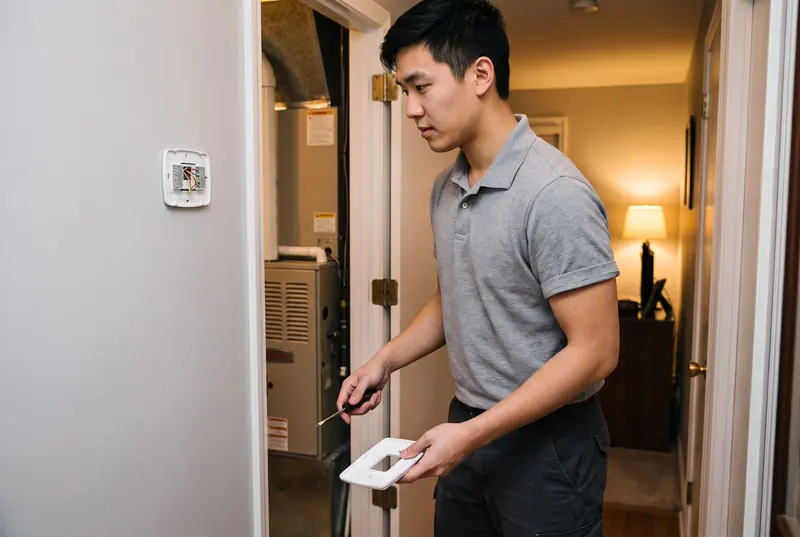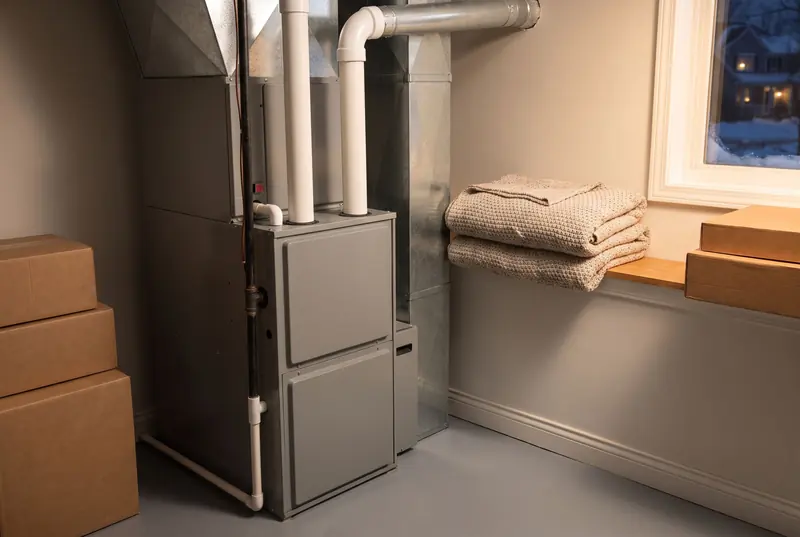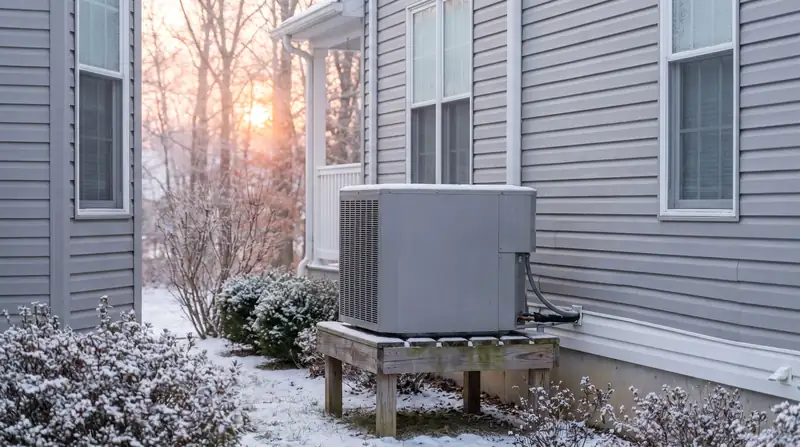

When the heat goes out in Wilson, NC, the clock starts running, and the diagnosis depends entirely on what kind of system is doing the failing. On a gas furnace, the most common no-heat call we run is a flame sensor coated in oxide: the burners light, the sensor cannot prove the flame, and the board shuts the gas down after the third attempt and locks out. Close behind come cracked hot surface igniters, stuck pressure switches, clogged condensate traps on high-efficiency models, and blower motors that have quietly worn out. Heat pumps fail differently: a weak defrost cycle leaves the outdoor coil armored in ice, a failed reversing valve strands the system in cooling, and a dead outdoor unit leaves the electric backup strips carrying the whole house at several times the operating cost.
Most of our service calls are for Furnace Repair. If something has stopped working, start there.
Warning Signs for Heating Repair
The sooner you notice these red flags, the easier and cheaper the fix. Keep an eye out for the following clues:
- A rotten-egg, burning, or musty smell once the heat kicks on
- A furnace that tries to light, clicks, and then quits
- Thick ice or frost covering the heat pump outside
- Uneven heat, with certain rooms that never warm up
- Short cycling every few minutes while the house stays cold
- No warm air at the registers even with the heat turned up
- Banging at startup caused by burners lighting late
- Heating bills spiking while comfort keeps falling
Early Action Saves Money
Most HVAC failures start small, a weak capacitor, a squealing blower, a system that runs a little longer each week. If you notice any of these signs, call (252) 278-2961 for a prompt inspection.